

The Challenges of Simple Building—When Simplification Becomes Complex

Simple and circular construction are considered key approaches to making buildings more cost-efficient, resource-conscious and adaptable over the long term. The underlying principles have been known for years, yet many of these approaches remain exceptions in practice. A research project examining the obstacles to simple and circular construction shows that the biggest challenges often lie not only in the technical implementation, but within the system itself.
Complexity Begins Before Construction Starts
The study describes structural barriers that already emerge during the early planning and approval phases. The reasons include complex regulations, extensive documentation requirements, lengthy coordination processes, as well as uncertainties regarding liability and responsibility. As a result, many stakeholders continue to rely on established standards, even when simpler solutions would be technically feasible. This reveals a central contradiction of simple building: simplified constructions or low-tech approaches are intended to reduce complexity, yet deviations from established standards often create additional review and coordination efforts.
Further challenges arise from conflicting requirements related to energy efficiency, sound insulation, fire protection, accessibility and building services engineering. While each individual requirement is technically justifiable, together they significantly increase both the technical and organizational complexity. Additional obstacles also emerge in circular construction. For example, standardized procedures for reuse, material assessment and deconstruction are often lacking. Reused building components frequently have to be inspected individually, while available materials are rarely documented in a systematic way.
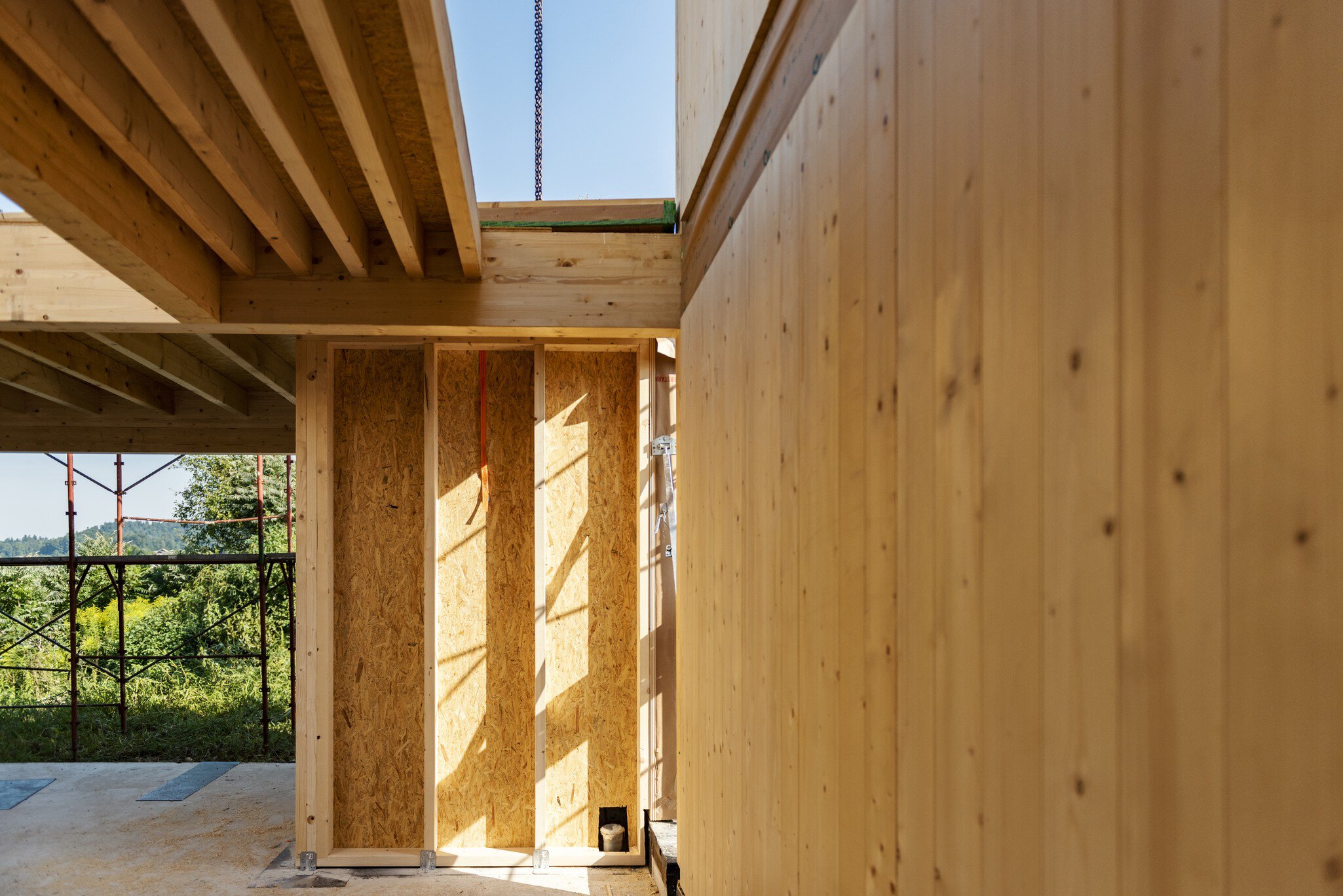
Missing Routines and New Responsibilities
Another key focus of the research is on institutional and cultural barriers. Over decades, planning and construction processes have been shaped around standardized procedures and clearly defined responsibilities. In contrast, simple and circular construction require earlier coordination, interdisciplinary collaboration and new forms of decision-making. At the same time, many stakeholders lack practical experience with simplified or circular concepts. As a result, new solutions are often perceived as a risk, particularly when responsibilities or liability issues are unclear.
In practice, technical standards are also frequently treated as binding minimum requirements. Economic structures further complicate change. Many advantages of simple or circular solutions only emerge in the long term, while the additional planning and coordination effort occurs immediately during the project phase. As a result, incentives to change established routines remain limited. The research also describes a planning culture in which technical optimization is often valued more highly than robustness or constructive simplicity. Consequently, buildings are becoming increasingly complex—not always out of functional necessity.
Simplification Requires Structural Change
The study does not stop at describing the obstacles, but also outlines concrete measures. For simple building, the research primarily calls for more flexible regulations, simplified approval and verification procedures, as well as functional rather than detail-oriented requirements. What matters most, the study argues, is not how a building is technically implemented, but what kind of performance it delivers. The research also points to robust low-tech concepts, passive climate strategies and simpler constructions that could reduce maintenance efforts, material use and technical complexity. At the same time, more pilot projects and protected experimental spaces are needed. In this context, parallels can be drawn to initiatives such as Building Type E or the Hamburg Standard.
For circular construction, the study additionally highlights digital material passports, building resource registers and standardized procedures for assessing reusable building components. Integrated planning processes, in which deconstruction and reuse are considered from the very beginning, are also regarded as essential prerequisites. Many of the proposed measures are currently being tested mainly through pilot projects and experimental procedures. Which approaches can be permanently integrated into planning, approval and construction processes will only become clear in the coming years.
Source:
Stoy, C.; Benn, M.; Hagmann, C., 2025: Identification of barriers to the implementation of simple construction concepts. Zukunft Bau Research Programme / BBSR.